


The Critical Role of Spatial Reasoning in Solving Puzzles
페이지 정보

본문
Mental spatial transformation plays a fundamental role in puzzle-solving ability, whether they are jigsaw puzzles, 3D mazes, or pattern-based puzzles like speed cubes. It is the capacity to visually process and reconfigure objects and their spatial configurations. When you look at a puzzle piece and anticipate its orientation with others, you are using spatial reasoning. This skill allows you to visualize rotations, sliding movements, and depth perceptions without touching or handling the components.
In jigsaw puzzle puzzles, visual-spatial intelligence helps you identify edge alignments and color gradients, and forecast its optimal placement based on the surrounding image. You don’t just rely on haphazard attempts; you simulate orientations, compare edges, and anticipate how fragments align. This mental mapping reduces the time and frustration involved in solving the puzzle.
For more intricate brain teasers like mechanical puzzles or immersive puzzle rooms, spatial intelligence becomes absolutely essential. You need to juggle competing spatial inputs, recognize locking mechanisms, and foresee the consequences of each move. Someone with high spatial IQ can often navigate them with greater accuracy because they can run mental models before acting.
This aptitude is not just useful in casual challenges. It enables many everyday activities such as reading maps, assembling furniture, finding your way without signs, or even decoding engineering drawings. People who consistently tackle spatial challenges often refine their mental rotation abilities over time, which can increase mastery in geometry, engineering, and visual planning.
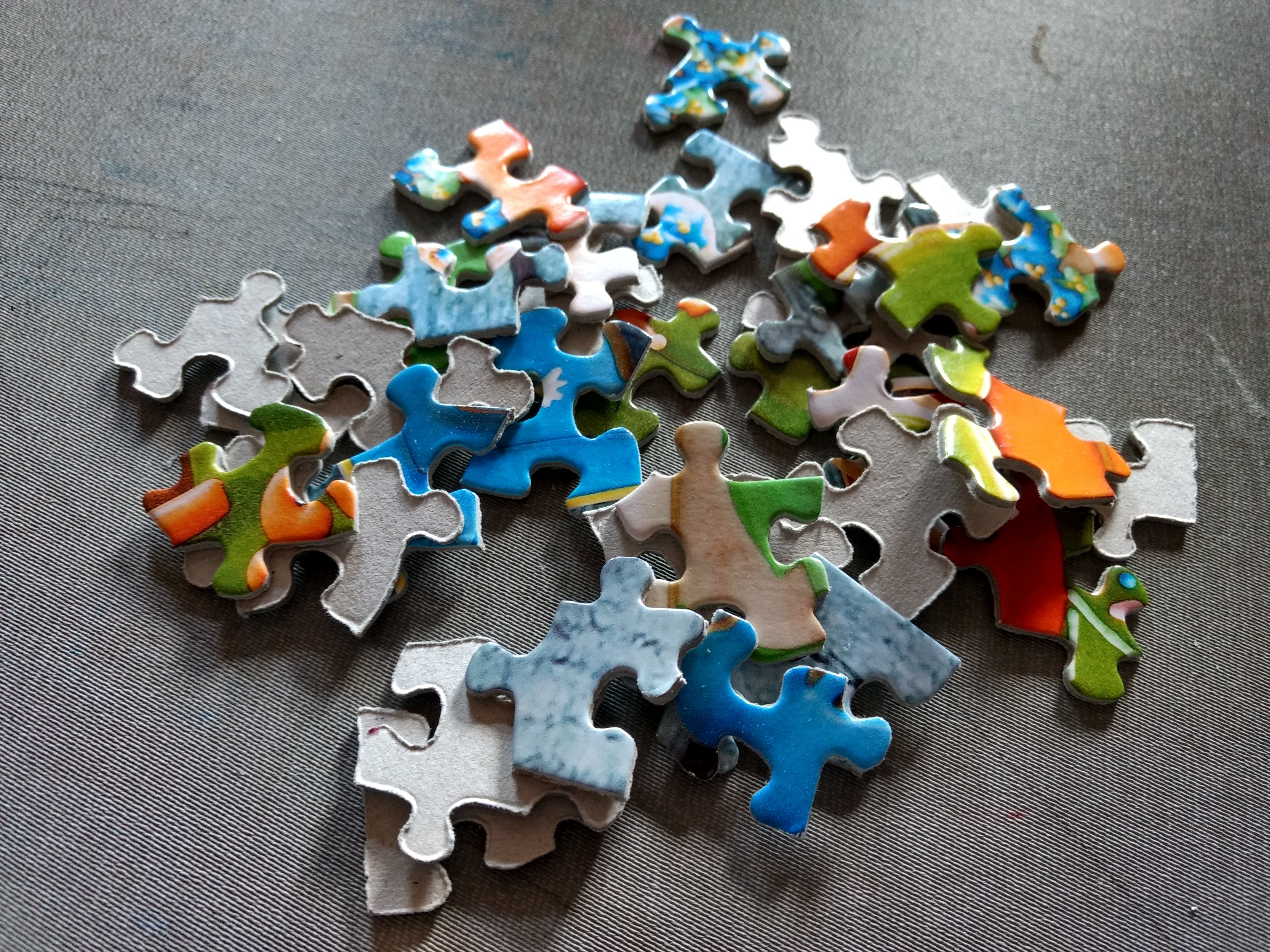
Consistently engaging with brain teasers can help deepen spatial intelligence. Even simple activities like visualizing scenes after viewing, tackling falling-block puzzles, or navigating a new neighborhood can condition your mind to improve geometric intuition. The more you challenge yourself, the easier it becomes to visualize outcomes.
In essence, mental rotation ability turns a scattered elements into a structured solution. It is the quiet catalyst behind problem completion, allowing us to perceive structure before assembly. Whether you are a recreational enthusiast or someone solving professional-grade brain teasers, developing this ability enhances cognitive satisfaction and satisfaction in the process.
- 이전글Ultimate Guide to Using Zoom in Online Puzzles 26.02.01
- 다음글How to Organize Puzzle Pieces Efficiently in a Virtual Workspace 26.02.01
댓글목록
등록된 댓글이 없습니다.