


Streamlining Emergency Service Operations for Maximum Impact
페이지 정보

본문
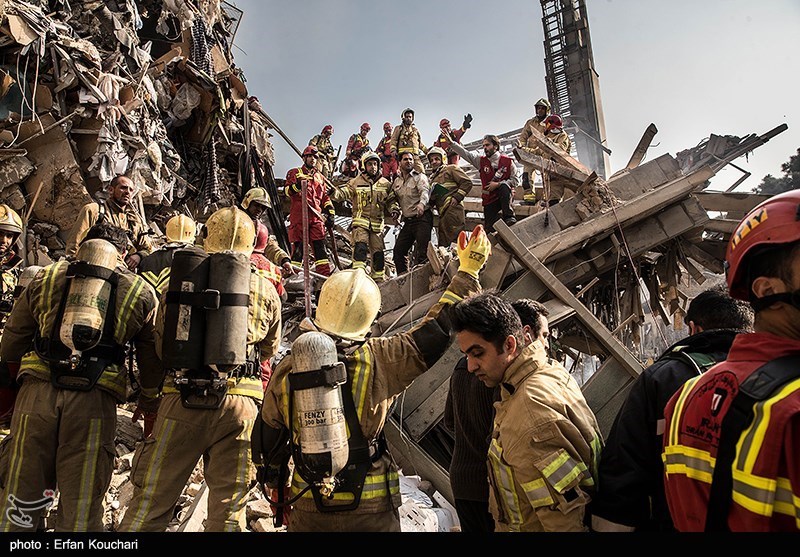
Designing a streamlined operational process for crisis units requires a a structured combination of precise coordination, defined duties, instant judgment, and iterative enhancement. These teams work in life-or-death scenarios with no room for delay, so their workflows must remove redundancies without compromising precision or speed. The foundation of any effective system starts with standardized procedures that are easy to follow even in high stress situations. This means developing detailed protocols for handling common emergencies such as medical crises, fires, natural disasters, and violent incidents. These protocols should be documented in plain language, reviewed regularly, and reinforced through ongoing training.
The lifeline of any response effort is reliable information flow. Teams must have access to reliable, redundant communication systems that function even when power or cellular networks are down. Secure UHF are essential. Central command hubs must integrate live geolocation tools, real-time unit tracking, and intelligent call-sorting algorithms. Integration between dispatch, field units, and medical facilities ensures that information flows without delay and that resources are allocated where they are needed most.
Unambiguous responsibilities reduce errors during crises. Each member of the team must know their assigned task and triggering condition. For example, in a complex collision scene, one officer handles patient assessment, another extracts trapped individuals, and a third liaises with transport units. While flexibility is vital, each role must retain clear boundaries to ensure no task falls through the cracks. Leadership roles must also be established in advance, with a clear chain of command that activates immediately upon arrival at the scene.
Digital tools drastically improve response performance. Handheld applications delivering real-time medical records, structural schematics, and chemical hazard info cut response latency. Drones can survey disaster zones before personnel enter, identifying safe paths and locating trapped individuals. Body-worn cameras and wearable biometrics allow command centers to monitor responders’ vital signs and stress levels, enabling timely support or rotation. Response analytics should reveal trends, choke points, and opportunities for protocol refinement. Debriefings after every call enable collective learning and iterative process upgrades.
Drills should mirror real-world chaos and urgency. High-fidelity exercises incorporating chaos, time pressure, امداد خودرو and dynamic variables create automatic response patterns. Teams should train not only within their own agency but also with police, fire, medical, and public works departments to foster coordination and trust. Mental resilience is just as important as physical readiness, so access to psychological support and debriefing sessions should be built into the workflow.
Finally, efficiency is not just about speed—it’s about effectiveness. A response that comes fast but is under-resourced or misaligned may worsen the outcome. Therefore, supply chains for essential gear must be reliable. All response vehicles must undergo scheduled maintenance and mandatory restocking protocols. Every primary device must have a verified, immediately accessible backup. Informed citizens who know basic first aid and evacuation steps ease strain on responders and save lives.
Input from those in the field drives meaningful improvement. Those directly involved in incidents know where processes break down and where they shine. A system that listens to and acts on field input becomes smarter and more durable over time. An effective response model is dynamic, shaped by ongoing practice, emerging tech, and the evolving face of community dangers.
- 이전글Creating an Optimized Workflow for Emergency Teams 26.01.08
- 다음글Preparing Your Vehicle for Long-Distance Trips: A Safety Checklist 26.01.08
댓글목록
등록된 댓글이 없습니다.